


 English
 русский
 عربى
عربىPozo circular subterráneo de aislamiento de petróleo
Cat: Pozo de petróleo separado
Los pozos interceptores de petróleo enterrados circulares son estructuras subterráneas diseñadas para interceptar, recolectar y contener contami...
Ver detallesWhen installing outdoor drainage solutions, many property owners choose a rejilla de drenaje de canal de plástico because of its affordability and corrosion resistance. These grates are designed to cover trenches that redirect rainwater and surface runoff away from structures. Asimismo, un rejilla de plástico para zanjas serves a similar purpose in shallow surface channels, making them popular for driveways, patios, and walkways. However, one issue that frequently comes up in online discussions is how these plastic components behave under hot weather conditions.
Plastic drainage grates are made from thermoplastics or high-density polyethylene (HDPE), which are naturally sensitive to heat. Thermoplastics can soften and deform when exposed to prolonged direct sunlight and high ambient temperatures. Over time, this heat exposure can cause a plastic channel drain grate to gradually bend or warp.
For many outdoor applications, these grates perform adequately as long as loads are light and exposure to heat isn’t extreme. Pero en algunos climas, especialmente donde los veranos son muy calurosos, los propietarios han informado de ligeras curvaturas en los puntos donde el sol incide con más intensidad.
Por lo general, dicha deformación no inutiliza la zanja o el canal, pero puede afectar la comodidad de la rejilla, lo que dificulta su extracción para su limpieza o reduce la eficacia con la que el agua fluye hacia el canal.
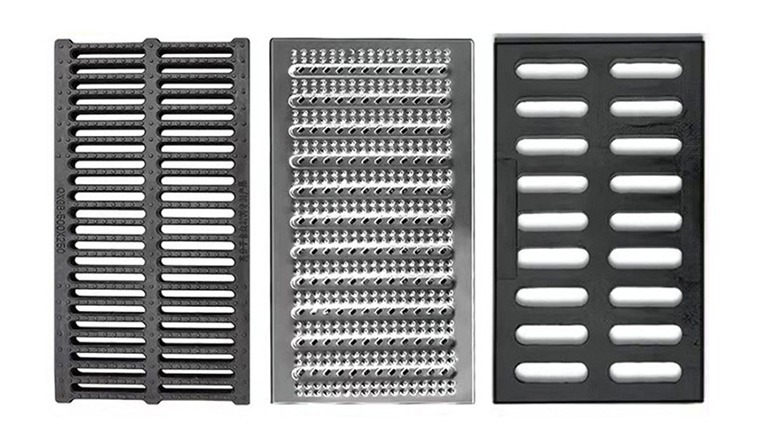
The structural behavior of plastic under heat arises from basic material properties. Plastic drain grates expand when heated and contract as temperatures drop, a natural tendency due to thermal expansion. Frequent or high temperature swings can exacerbate this.
Los factores clave incluyen:
Material grade: Lower-grade plastics soften sooner and deform more easily.
Color and surface finish: Darker grates absorb more heat, intensifying softening.
Direct sunlight exposure: Grates in full sun are likelier to alter shape than those shaded by structures or landscaping.
Although manufacturers often add UV stabilizers to slow degradation from sunlight, even treated plastics have limits. If significant heat is a regular part of your climate, this should influence product selection and installation planning.
Many users sharing their experiences online have noticed warping in plastic drain components. Por ejemplo, algunos informan que la superficie superior de la rejilla se inclina ligeramente después de una temporada de verano, particularmente en secciones muy soleadas de un camino de entrada o patio.
While the deformation is often minor, it raises questions about longevity and usability. Some homeowners worry about how this bending may change water flow patterns or make grates harder to seat properly in their grooves. If grates don’t fit well after warping, water may bypass the channel edge, causing pooling and drainage inefficiencies.
Si decide que una rejilla de drenaje de canal de plástico o una rejilla de zanja de plástico es adecuada para su proyecto, considere las siguientes estrategias para ayudar a reducir la deformación relacionada con el calor:
Choose UV-resistant materials: Ensure your grate has built-in UV stabilizers designed for long outdoor exposure.
Prefer lighter colors in hot climates: Light-colored drains reflect heat better than dark ones.
Shade critical areas: Landscaping or overhangs that offer partial shading can reduce direct thermal load.
Periodic inspection: Check and adjust grates after a strong heat season to ensure they still sit correctly.
Además, Taizhou Weicai Plastic Industry Co., Ltd. ofrece una gama de productos de drenaje de zanjas de plástico diseñados con propiedades de materiales que consideran la exposición a los rayos UV y el comportamiento térmico, lo que ayuda a los propietarios a encontrar un equilibrio adecuado entre durabilidad y costo.
Plastic grates are often chosen for cost-effectiveness and ease of installation. Sin embargo, si su sistema de drenaje atraviesa áreas con cargas pesadas (por ejemplo, donde pasan vehículos con frecuencia) o sol directo prolongado, podría considerar materiales con mayor tolerancia al calor. Metals or reinforced composites resist thermal expansion but come with other trade-offs like weight and corrosion risks.
For many residential situations, plastic systems remain a viable option, provided they’re installed thoughtfully and maintained regularly.
If you’re planning a new installation or reviewing your existing drainage setup, consider material properties in relation to your climate. Careful planning can reduce performance issues and extend the life of your drainage investment.
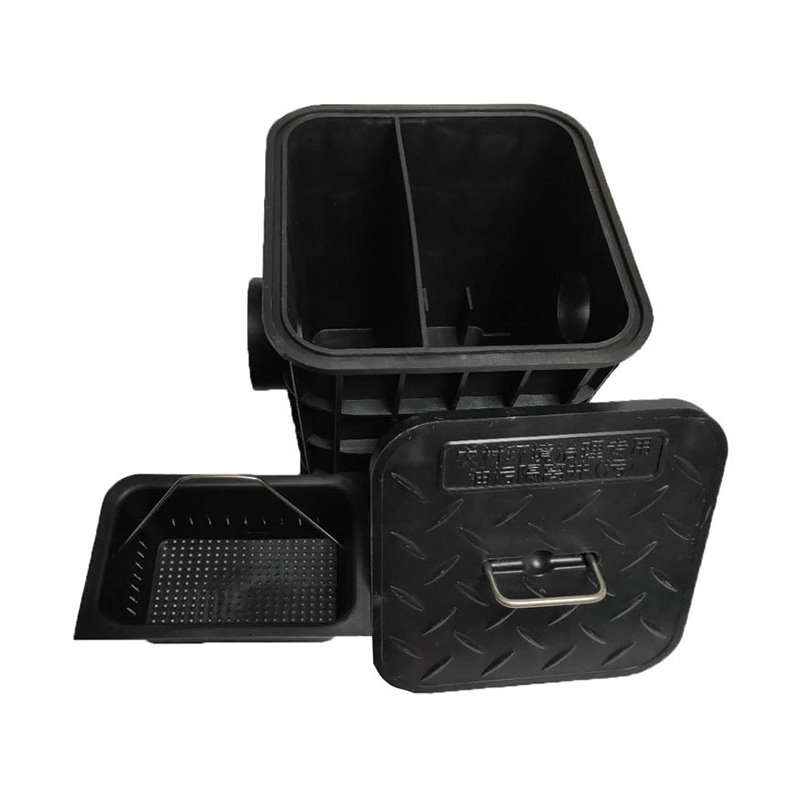
Los pozos interceptores de petróleo enterrados circulares son estructuras subterráneas diseñadas para interceptar, recolectar y contener contami...
Ver detalles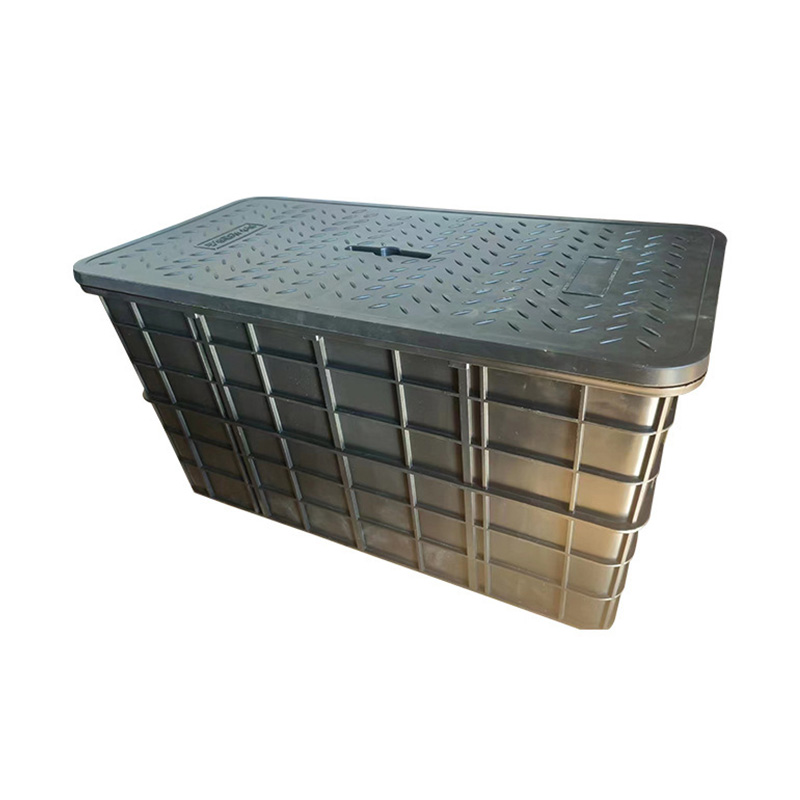
El diseño de cuadrante del separador de aceite está diseñado para optimizar la eficiencia de separación de aceite y agua. Cuando el agua contami...
Ver detalles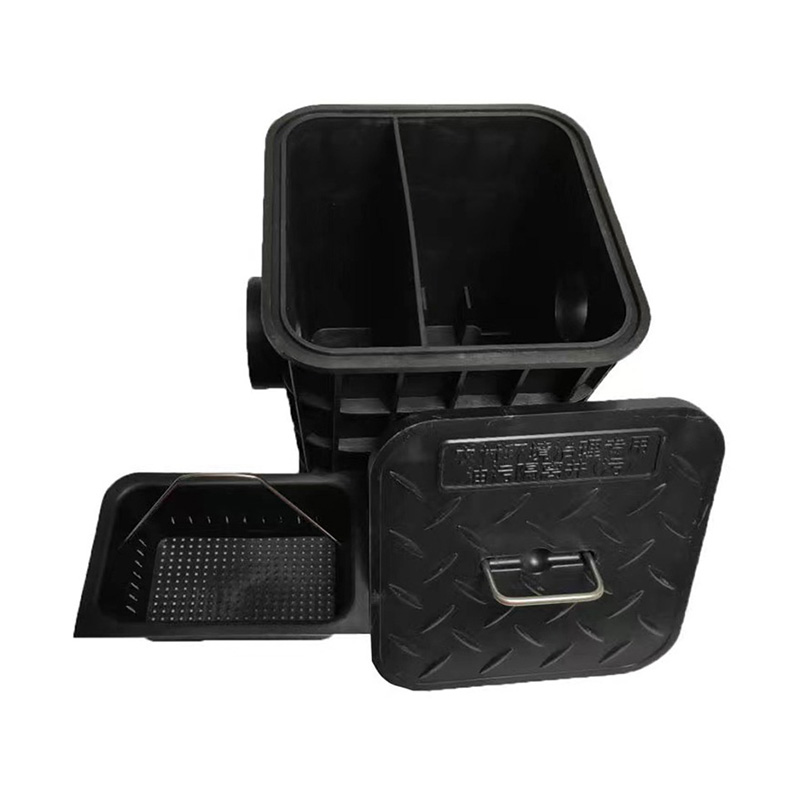
Los tanques de filtración cuadrados enterrados de triple compartimento para separación de agua y aceite representan una solución avanzada diseña...
Ver detalles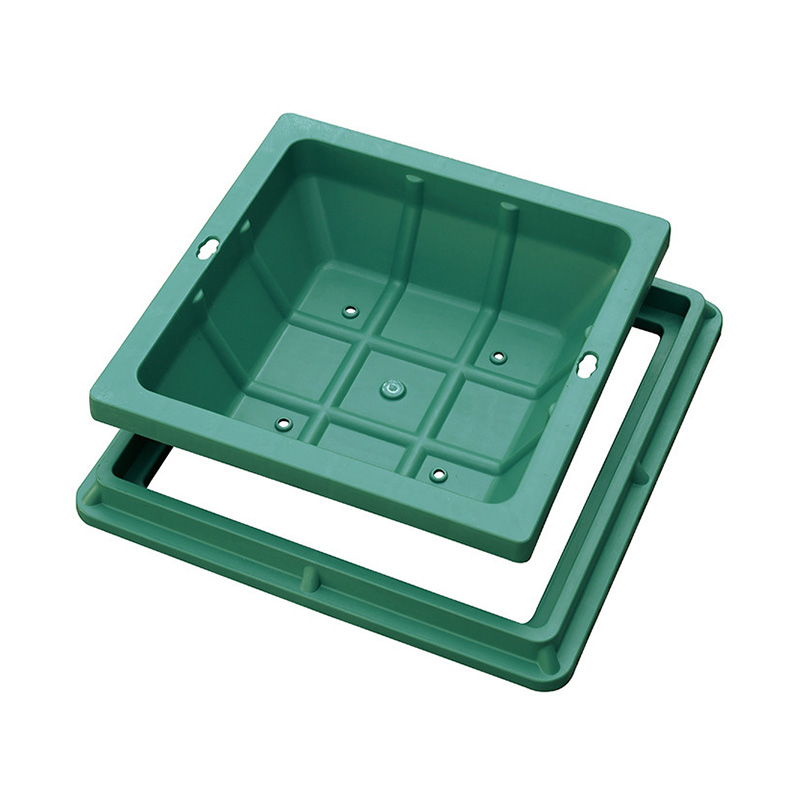
Las tapas de registro empotradas de PE con anillos circulares y cuadrados representan soluciones innovadoras diseñadas para integrarse perfectam...
Ver detalles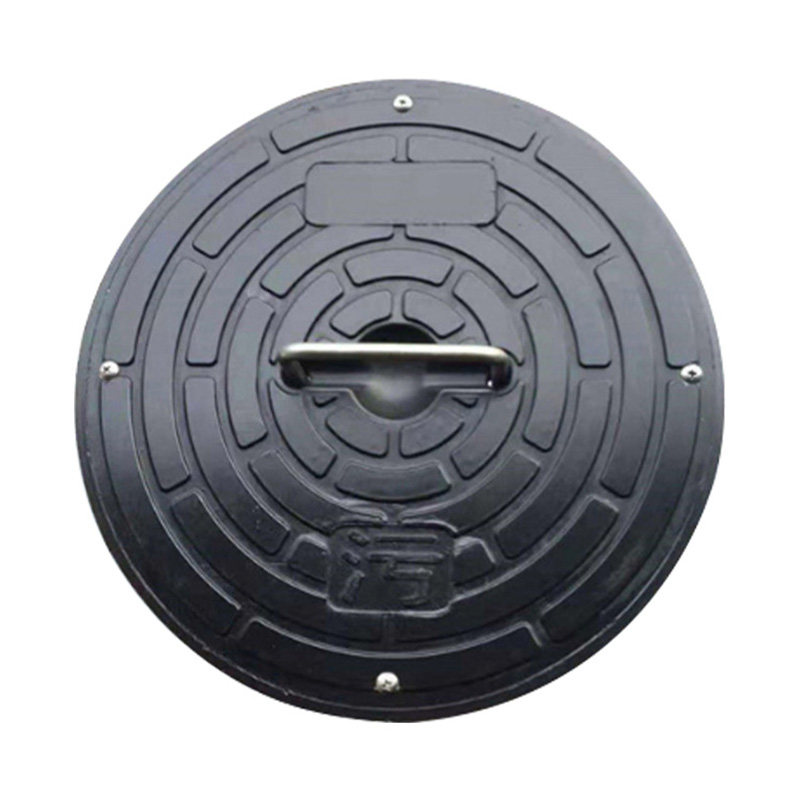
La tapa de alcantarilla compuesta circular de plástico PE representa una solución innovadora diseñada para mejorar la durabilidad, seguridad y e...
Ver detalles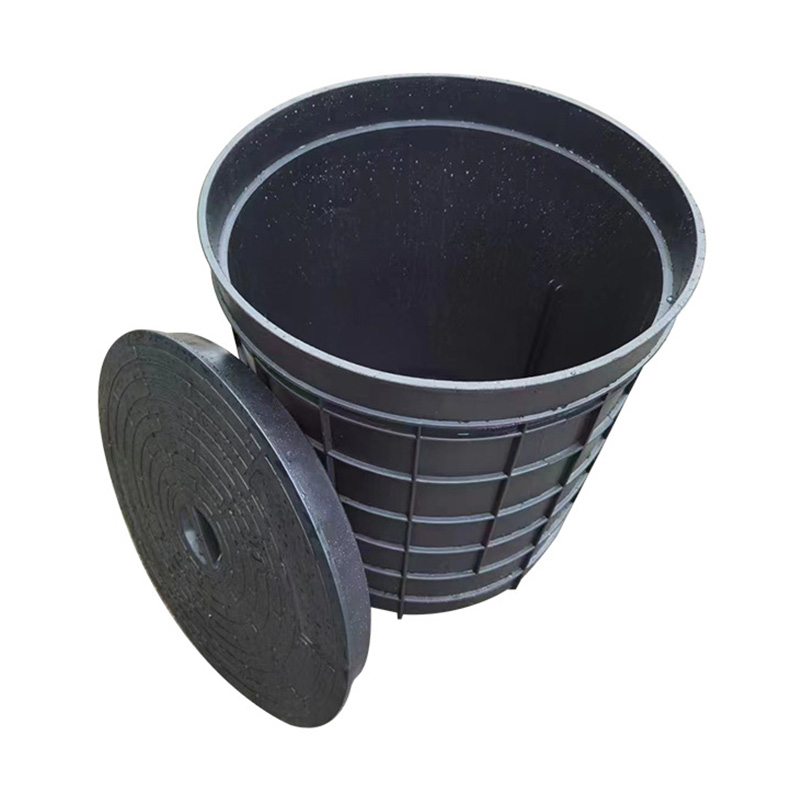
La caja plástica para medidor de agua de drenaje y aguas residuales es un contenedor que se utiliza para instalar equipos como medidores de agua,...
Ver detalles¡Sería genial saber de ti!

La empresa desarrolla de forma independiente zanjas de drenaje de HDPE, soportes para jaulas y productos para fosas sépticas de plástico reforzado de tres formatos, etc.


Teléfono móvil: +86-13357651618
Teléfono: +86-0576-82929520
Correo electrónico: [email protected]
Dirección: Heyu Industrial Zone, Yuanqiao Town, Huangyan District, Taizhou City, Zhejiang Province, China
Derechos de autor © 2024 Taizhou Weicai Plastic Industry Co., Ltd. Todos los derechos reservados.
